
COLLIER MOSQUITO CONTROL DISTRICT
History of SWFL Mosquitoes
Controlling mosquitoes in SW Florida’s unique environment means that we closely adhere to our integrated mosquito management practices. Some areas require management plans specific to the geography.
STAY INFORMED, STAY SAFE
Controlling SW Florida Mosquitoes
New residents to SW Florida love our local landscape, and may be tempted to believe that it’s always been like this. The truth is that since the 1950s, our area has undergone numerous modifications to address the core issues of too much water and too many mosquitoes.
History of SW Florida Mosquitoes
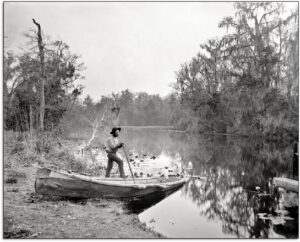 Canals were installed to improve drainage, exotic palms were brought in to enrich our flora, and mangrove estuaries and freshwater swamps were altered to change water flows and provide Gulf access. These environmental changes enhanced our quality of life, allowing Naples to grow from just 6,488 people in 1950 (when Collier Mosquito Control District was founded) to over 300,000 people in Collier County today. And that growth continues.
The original and less hospitable Florida geography lies dormant during the dry winter months, then earnestly reappear when the summer rains come. In the eastern part of Collier County, seasonally wet pine flatland areas that rarely saw humans are today backyards, gardens, and parking lots. Then, each rainy season we are all reminded of the true nature of the landscape when swales fill with water, yards flood, and mosquito populations explode.
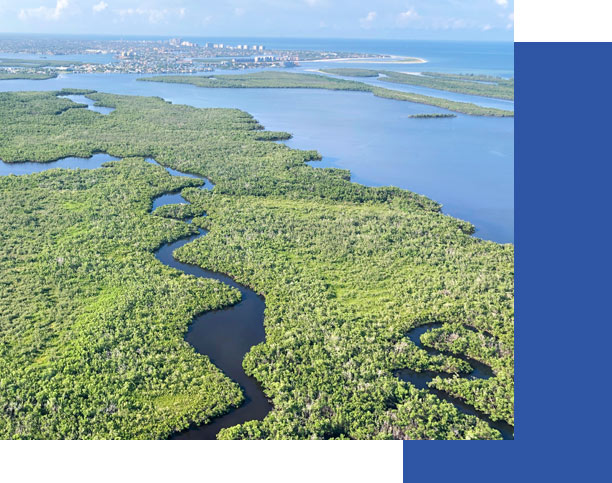
At the southern coastal reaches of the county lies an estuary ecosystem in Rookery Bay, and beyond that lies the 10,000 Islands. While strikingly beautiful, these areas provide an extremely productive habitat for the salt marsh mosquito. Each spring, billions — if not trillions — of these mosquitoes hatch in those mangroves and fly into our communities. The salt marsh mosquito is known to fly up to 40 miles in search of a meal. Because these areas are extremely delicate conservation lands, we do not perform mosquito control treatments in these areas. We often have to wait for the adults to fly into the District before action can be taken.
As communities grow and new neighborhoods are developed, they often create the perfect conditions for certain types of mosquitoes, especially invasive Aedes species. These mosquitoes thrive in areas where people live. They lay eggs in small amounts of standing water, such as flowerpots, buckets, tires and even bottle caps. These mosquitoes also prefer to bite humans over animals like reptiles and birds. Because of this close connection to people, they are highly effective at spreading tropical diseases such as dengue, chikungunya and Zika virus.
Follow Us on Social Channels for the Latest News
Treatment updates, latest news, mosquito safety tips.