
Blog
Bats and Mosquito Control: Helpful, But Not a Cure-All
By Keira J. Lucas, PHD, deputy executive director for Collier Mosquito Control District
NAPLES, FL (July 17, 2025) – Natural mosquito control methods often attract a lot of interest, and for good reason. These options can be valuable tools, but it’s important to remember that no single method can eliminate mosquitoes entirely. Instead, natural tools work best when they’re used as part of a larger, balanced strategy called Integrated Mosquito Management. This approach combines multiple methods, including natural, chemical, and physical, to keep mosquito numbers low in a smart, sustainable way.
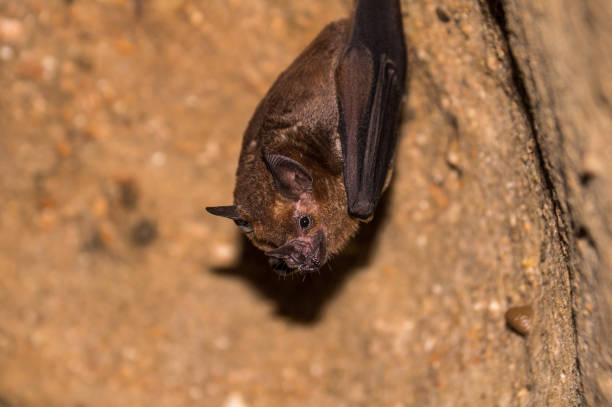
One natural solution that often gets people excited is bats. Since bats eat insects, many folks assume they’re great at eating mosquitoes. This idea has led to increased interest in building or buying bat houses to attract them.
But here’s the truth: while bats do eat some mosquitoes, most bat species don’t eat enough of them to make a big difference. So, while having bats around can be helpful in general pest control, they’re not the mosquito-fighting superheroes many people hope for.
Where Did This Idea Come From?
The belief that bats are major mosquito predators traces back to a 1960 study published in Animal Behaviour (Griffin et al 1960). In the study, little brown bats and Eastern small-footed bats (both of which are not present in Southwest Florida) were placed in an enclosed chamber with 2,000 mosquitoes. By morning, many of the mosquitoes were gone, leading to the assumption that bats can catch up to 1,000 mosquitoes in an hour.
It’s an eye-catching idea, but it doesn’t quite hold up in the real world. That experiment took place in a controlled setting, where mosquitoes were the only available food source. Out in nature, bats have more choices, and they usually go for bigger, more nutritious insects. Scientists who have looked at bat diets in the wild have found that although some bat species eat mosquitoes, mosquitoes make up only a small portion of most bat diets.
What Science Tells Us
What many people don’t realize is that, just like mosquitoes, not all bat species are the same, especially when it comes to what they eat and where they live. Florida is home to thirteen species of insect-eating bats, but not all of them are found in Southwest Florida, and mosquitoes aren’t a significant part of every bat’s diet. Each species has its own preferred habitat and feeding style, which means their impact on mosquito populations can vary greatly.
While a few bat species do specialize in eating mosquitoes, most are opportunistic feeders. They consume a wide variety of insects, typically choosing prey that offers the greatest energy return. Mosquitoes are small, low in nutritional value, and harder for bats to detect and catch. In comparison, larger insects like moths, beetles, and flies are easier to find and far more rewarding, making them the more common choice for most bat species.
One species in Florida known to include significant numbers of mosquitoes in its diet is the southeastern bat (Zinn and Humphrey, 1981; Ober, 2020; Hughes et al, 2021). One Florida colony of southeastern bats was estimated to capture a remarkable 15 tons of mosquitoes annually! However, this species native range does not encompass Southwest Florida, so it’s unlikely to be found here in large numbers.
Bats that are common in the region, like the Seminole bat and evening bat, have been shown to eat some local mosquito species, but only in small amounts. More importantly, studies show they rarely consume the invasive mosquitoes that spread tropical diseases like dengue (Hughes et al, 2022).
The Brazilian free-tailed bat is the most abundant bat species in Florida and the one most likely to take up residence in bat houses (Florida Bat Conservancy, 2020). However, these bats prefer feeding on larger insects such as moths and beetles (McWilliams, 2005). While mosquitoes have been found in their diet, they do not encompass a significant portion of their diet.
Even though bats don’t eat enough mosquitoes to control the large mosquito populations seen in Southwest Florida, they still play a beneficial role in insect control. Large bat colonies can help reduce the number of flying insects in a given area, including some mosquitoes (Reiskind and Wund, 2013). And there’s an added benefit: many insects, mosquitoes included, tend to avoid areas where they hear bat echolocation calls, making the presence of bats a natural deterrent (Ober, 2020). So, while they aren’t a stand-alone solution for mosquito control, bats are still a helpful part of the ecosystem.
Bats Matter, But They’re Not a Mosquito Solution
Bats play a vital role in maintaining a healthy environment, and at CMCD, we strongly support bat conservation efforts. This includes initiatives focused on safeguarding endangered species such as the Florida Bonneted Bat. Expanding and preserving bat habitats helps promote biodiversity and supports the ecological balance that benefits us all.
That said, when it comes to mosquito control, bats are not a reliable solution on their own. While some species may eat mosquitoes occasionally, research shows that most bats prefer larger, more energy-rich insects like moths and beetles. As such, bats are not effective as a primary strategy for reducing mosquito populations.
So, if you’re considering installing bat houses or otherwise attracting bats to your property, we encourage you to do so as a way to support wildlife conservation and not as a solution to manage mosquitoes. Enhancing bat habitat is a wonderful step toward supporting biodiversity, but it should complement, not replace, scientifically proven mosquito control methods.
For more information on building an effective bat house, please visit: https://edis.ifas.ufl.edu/publication/UW290. If you choose to install a bat house, keep in mind that bats can carry diseases such as rabies and should never be handled.
For more information on bat conservation, please visit: https://myfwc.com/wildlifehabitats/wildlife/bats/
References
Florida Bat Conservancy. (2020) Florida Bat’s. Retrieved from: https://www.floridabats.org/bats-of-florida.html
Griffin DR, Webster FA, Michael CR. (1960) The echolocation of flying insects by bats. Animal Behaviour. 8: 141-154.
Hughes M, Braun E, Ober H. (2021) Big bats binge bad bugs: Variation in crop pest consumption by common bat species. Agriculture Ecosystems and Environment. 314:107414.
Hughes MJ, Braun de Torrez EC, Buckner EA, Ober HK. (2022) Consumption of endemic arbovirus mosquito vectors by bats in the southeastern United States. J Vector Ecol. 47: 153-165.
Ober HK. (2020) Insect Pest Management Services Provided by Bats. Gainesville: University of Florida Institute of Food and Agricultural Sciences. https://edis.ifas.ufl.edu/publication/UW289
Reiskind MH, Wund MA. (2009) Experimental assessment of the impacts of northern long-eared bats on ovipositing Culex (Diptera: Culicidae) mosquitoes. J Med Entomol. 46:1037-44.
McWilliams LA. (2005) Variation in Diet of the Mexican Free-Tailed Bat (Tadarida brasiliensis mexicana), Journal of Mammalogy, 86(3), 599–605.
Zinn TL, Humphrey SR. (1981) Season food resources and prey selection of the Southeastern Brown Bat (Myotis austroriparious) in Florida. Florida Scientist. 44: 81-90.